Rust on a commercial metal roof triggers a predictable reaction: call a contractor, get told “it needs to be replaced,” and start budgeting for a five- or six-figure tear-off. Sometimes that’s the right call. Often, it isn’t. A metal roof repair coating — encapsulating the rusted or failing sections and resealing the roof — can solve the same leak for a fraction of the cost, if the roof is actually a good candidate for it.
The tricky part is that a lot of contractors default to “replace” simply because they don’t do coating work, not because the roof actually needs it. Here’s how to tell the difference, what the process actually involves, and a real project where it made a documented, six-figure difference.
What Is a Metal Roof Repair Coating, Exactly?
It helps to separate three things that get used interchangeably but aren’t the same:
- Preventive coating — applied to a roof in good condition to extend its life and improve reflectivity, before any real damage exists.
- Metal roof recoating — a full-roof reapplication of a coating system, usually because the original coating has worn thin or reached the end of its service life, even if the substrate underneath is still sound.
- Repair coating — targeted encapsulation of specific problem areas (rust spots, failing seams, fastener corrosion) combined with a protective topcoat, used when the roof has active damage but the structural deck and majority of the panels are still viable.
Most of what a facility manager actually needs when they’re dealing with a leaking, rusting metal roof falls into that third category — and it’s also the one most underrepresented in typical roofing content online, because it requires the contractor to make a judgment call rather than sell a standard product.
When Repair Coating Makes Sense — and When It Doesn’t
A metal roof is generally a good candidate for repair coating when:
- The rust is surface-level oxidation, not full perforation through the panel
- The structural deck underneath shows no soft spots or sagging
- Fasteners are backing out or corroding but the panels themselves are intact
- Leaks are localized to specific seams, penetrations, or panel laps rather than widespread panel failure
- The roof still has structural life left, even if the coating or finish doesn’t
It’s usually not the right call when there’s through-panel corrosion in multiple areas, the deck has failed underneath the metal, or the roof has already been patched multiple times without addressing the underlying cause. A contractor with HAAG-certified inspectors on staff should be able to make this distinction during the initial roof inspection rather than defaulting to a full replacement recommendation. If you haven’t vetted who’s doing that inspection yet, our guide on choosing local metal roofing contractors walks through what to check before you let anyone on the roof.
How the Repair-Coating Process Actually Works
- Inspection and rust classification. Surface rust versus structural rust gets treated completely differently — this step determines whether coating is even viable. Our guide to metal roof rust covers what separates a cosmetic problem from a structural one.
- Pressure washing and surface prep. Every coating system needs a clean, properly profiled surface to bond to — skipping or rushing this step is the single most common reason a coating fails prematurely.
- Rust encapsulation. Corroded areas are treated and sealed to stop active oxidation before any topcoat goes on.
- Seam and fastener repair. Failing seams and backed-out fasteners are addressed individually, not just coated over.
- Base coat and reinforced topcoat application. Reinforcing fabric is typically added at seams and penetrations, followed by the finish coat — reflective white or another color depending on the building’s energy goals.
- Warranty issuance. A legitimate repair-coating job should come with a manufacturer-backed labor and materials warranty, not just a verbal guarantee. There’s more on what to look for in our metal roof coating systems breakdown.
Repair Coating vs. Full Replacement: The Real Cost Comparison
This is the number facility managers actually want, and it’s also where a lot of roofing content stays vague. Armour Roof Co. states that clients choosing a metal roof coating system over replacement often save up to 70% on the project cost — because you’re not paying for tear-off, disposal, deck replacement, or the extended downtime a full re-roof requires. Whether your specific roof lands anywhere near that range depends entirely on the inspection findings, which is exactly why skipping straight to a “just replace it” recommendation without a real assessment should be a red flag, not a reassurance.
A Real Example: Encapsulating Rust Instead of Tearing Off a Roof
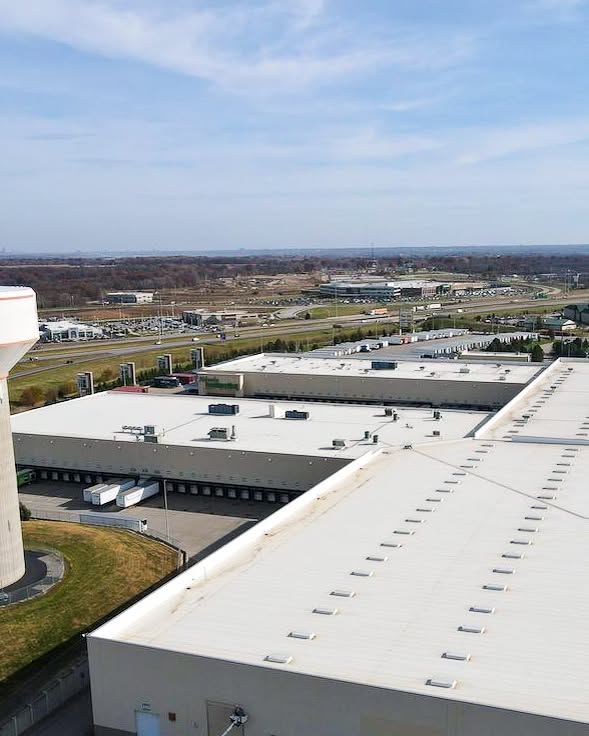
When Armour Roof Co. first walked the roof at Drake-Williams Steel’s Omaha facility, it wasn’t even the original reason for the visit — the leak came up in passing. Once the team inspected it, the rust was visible but the panels and deck were still sound, so instead of recommending replacement, Armour proposed a TritoFlex Seal Coat system to encapsulate the rust. The proposal came in more than $50,000 below a competing bid for full replacement, with the same leak-free guarantee. The coating work — a 60-mil waterproofing layer plus a reflective acrylic topcoat — was completed in four days. Two days after the crew finished, a hail storm passed through Omaha and damaged five other buildings on the same property; the newly coated roof held. You can read the complete Drake-Williams Steel case study for the full details.
Questions to Ask Before You Approve a Repair Coating
- Is this surface rust, or has it compromised the panel’s structural integrity?
- What’s the mil thickness of both the base coat and the topcoat?
- Is this a full recoat or a targeted repair — and does the warranty term match which one it actually is?
- Is the warranty backed by the coating manufacturer, or just by the contractor?
- What corrosion-control standards is the crew actually following? Industry-recognized coatings and corrosion-control practices are set by organizations like AMPP, the leading professional body for materials protection and protective coatings — a contractor who can speak to those standards is a different conversation than one who can’t.
FAQ: Metal Roof Repair Coating
What’s the difference between a metal roof coating and a metal roof repair coating? A standard coating is typically applied to a roof in good condition as preventive maintenance. A repair coating specifically addresses existing rust, leaks, or seam failure as part of the application process, not just as a finish layer.
How long does a metal roof repair coating last? It depends on the system and warranty selected, but manufacturer-backed metal roof coating systems commonly carry warranties in the 15- to 30-year range when properly installed over a sound substrate.
Can you coat over rust on a metal roof? Yes, but only after the rust is properly treated and encapsulated first. Coating directly over untreated, active rust without proper prep is one of the most common reasons a coating job fails early.
Is metal roof recoating cheaper than replacement? In most cases, yes — recoating and repair coating avoid the cost of tear-off, disposal, and deck work that a full replacement requires, though the actual savings depend on the roof’s specific condition.
Get a Straight Answer Before You Commit to a Full Replacement
If you’ve been told your metal roof needs a full replacement, it’s worth getting a second opinion before you approve the budget. Armour Roof Co.’s HAAG-certified team can tell you honestly whether a repair coating will actually hold — or if replacement really is the right call.